
Ice bath
An ice bath is only half of the ritual.
- How cold, how long and in which order
- What an ice bath at home realistically costs
- When you had better not go into the cold water
- 10-15 °C
- A fine temperature to start
- 1-3 min
- Long enough in the cold water
- 3 rounds
- A complete contrast bath
- up to 100°C
- The warm half, in a MOOSSE
The contrast bath
Warm, cold, rest. And then once more.
This is the order that has been the same in Finland for a few hundred years. You do not need to improve on it.
Warm up, 10 to 15 minutes
The sauna up to temperature, you in it until you really sweat. This is the part that makes the rest bearable. Cold water without warmth beforehand is a struggle. Cold water after 15 minutes of heat is relief.
Cool down, 1 to 3 minutes
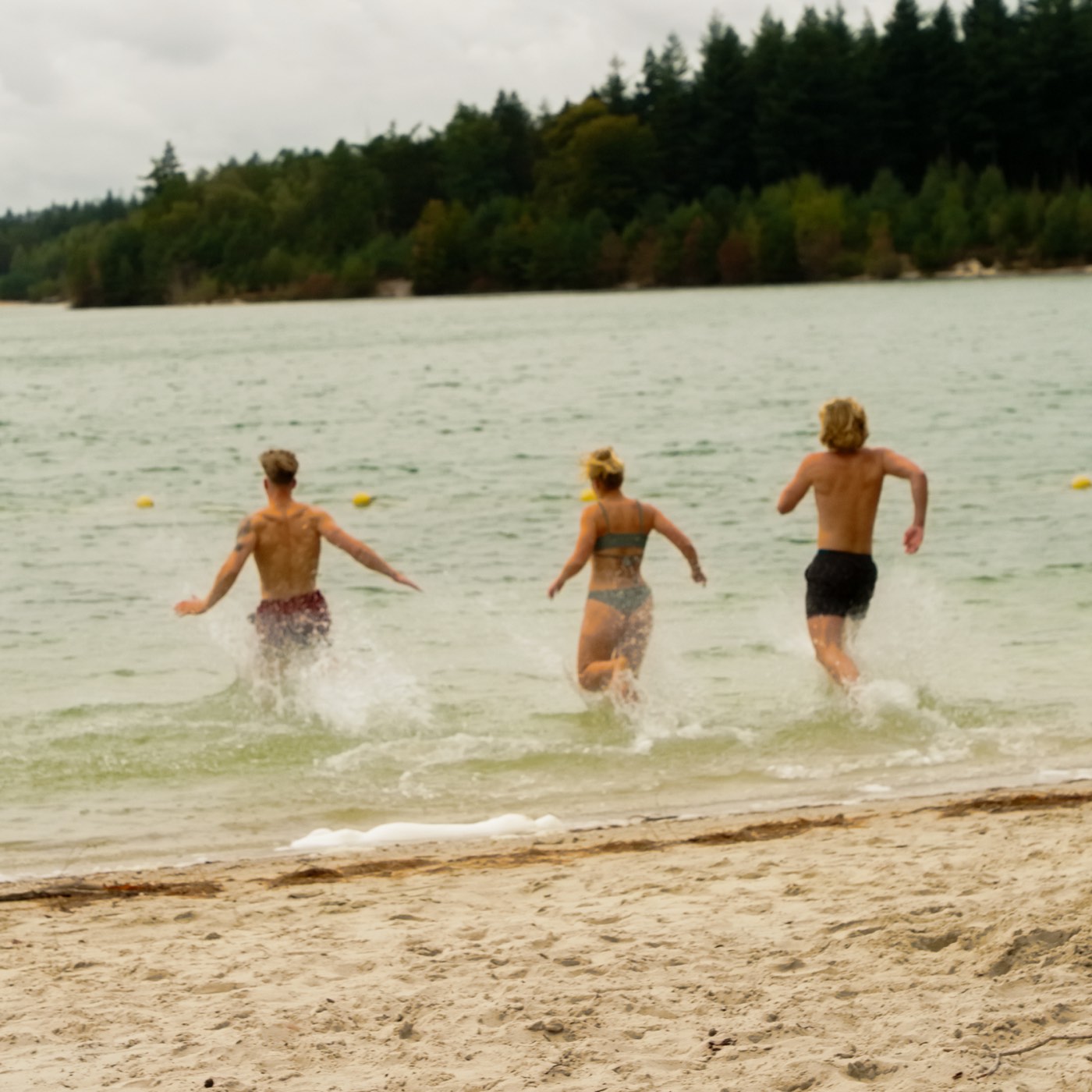
Walk into the water calmly, never jump. Breathe low and slowly. The first thirty seconds are the hardest, after that it goes quiet in your head. Get out before your teeth start chattering.
Rest, 10 minutes
Get dressed, sit down, have something to drink. Your heart rate drops, your skin tingles afterwards. This is where the effect is, and exactly the part most people skip.
Repeat, 2 to 3 times
Three rounds is a complete ritual of about an hour and a half. End with cold if you still have the day ahead of you, and with warmth and rest if you want to sleep.
The temperature
How cold should the water be?
Colder is not better. Between 10 and 15 degrees the same thing happens in your body as at 3 degrees, only you are far more likely to stick with it and do it again next week. Experienced users drift down to 5 degrees on their own, but that is not a goal in itself.
In the Netherlands you need no ice at all from November to March. Tap water in a tub outside cools down by itself to around seven degrees, and open water in those months is usually between 4 and 10 degrees. Want the same feeling in summer? A cold shower after the sauna is a fine replacement. There too the effect is mostly in the transition, not in the number on the thermometer.
Watch the time, not the degrees. You get out by feel: if your breathing stays calm and you can still talk, you are fine. If the chattering starts, you have stayed too long.
The warm half
A sauna that comes to the water.
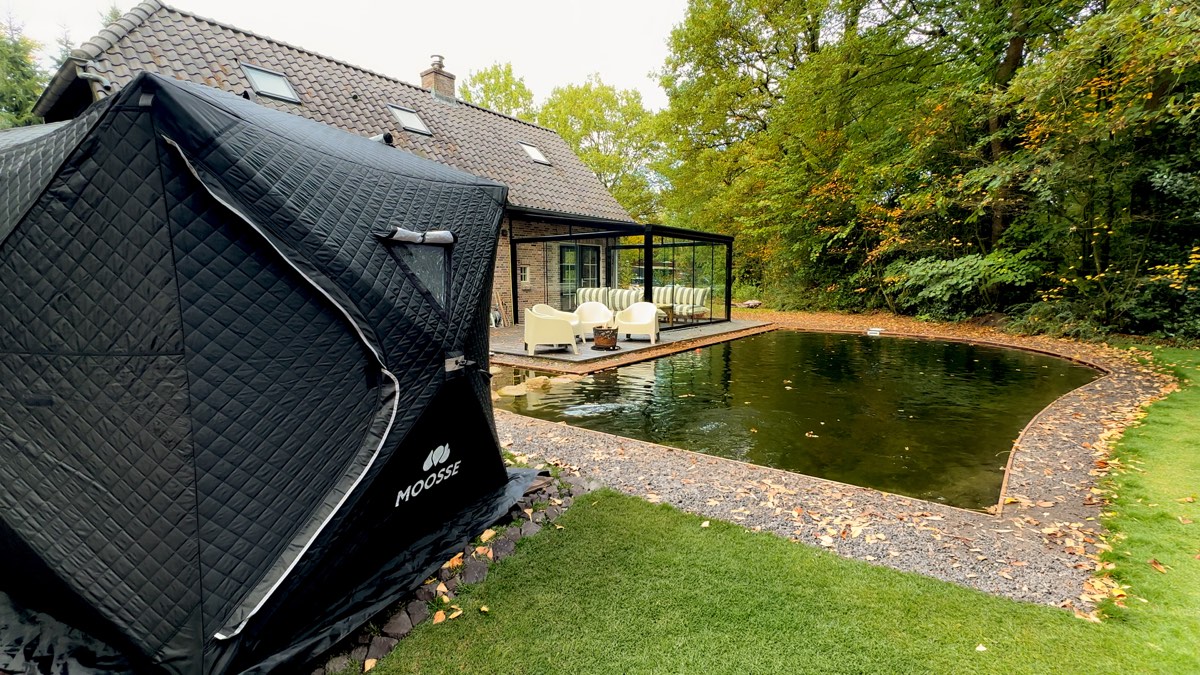
The awkward thing about a fixed sauna is that the cold water is rarely right next to it. A MOOSSE sauna tent comes along in the car and is up within five minutes at the edge of a lake, in the garden next to the pond or on the beach. That turns the walk from warm to cold into ten paces instead of a plan.
The stove is wood-fired, so you need no socket where you want to sit. More about how that works is on wood-fired sauna.
- 14 kg tent, 23 kg stove, in two carry bags
- Up in 5 minutes, at temperature in 30 minutes
- Wood-fired, so no electricity by the waterside
- Complete from €1,349, free shipping in NL and BE
The maths
What an ice bath at home really costs
A ready-made ice bath with a cooling unit and filter costs between 2,000 and 6,000 euros, plus electricity to keep the water cold all year. That is lovely if you want to sit in 4 degrees at six in the morning in July. For most people it is an expensive solution to a problem that the Dutch climate solves for free eight months of the year.
The cheap route works surprisingly well: an inflatable tub or a second-hand bathtub at the back of the garden, filled with the garden hose in winter. Under 200 euros, and the water is cold enough in a night. Refresh it regularly, because without a filter standing water quickly turns cloudy.
Work it out once and you see where the money belongs. The cold is almost free. The warmth is the part you buy something for, and that part decides whether you are still doing this in February.
Staying safe in the cold
Five rules you should not skip.
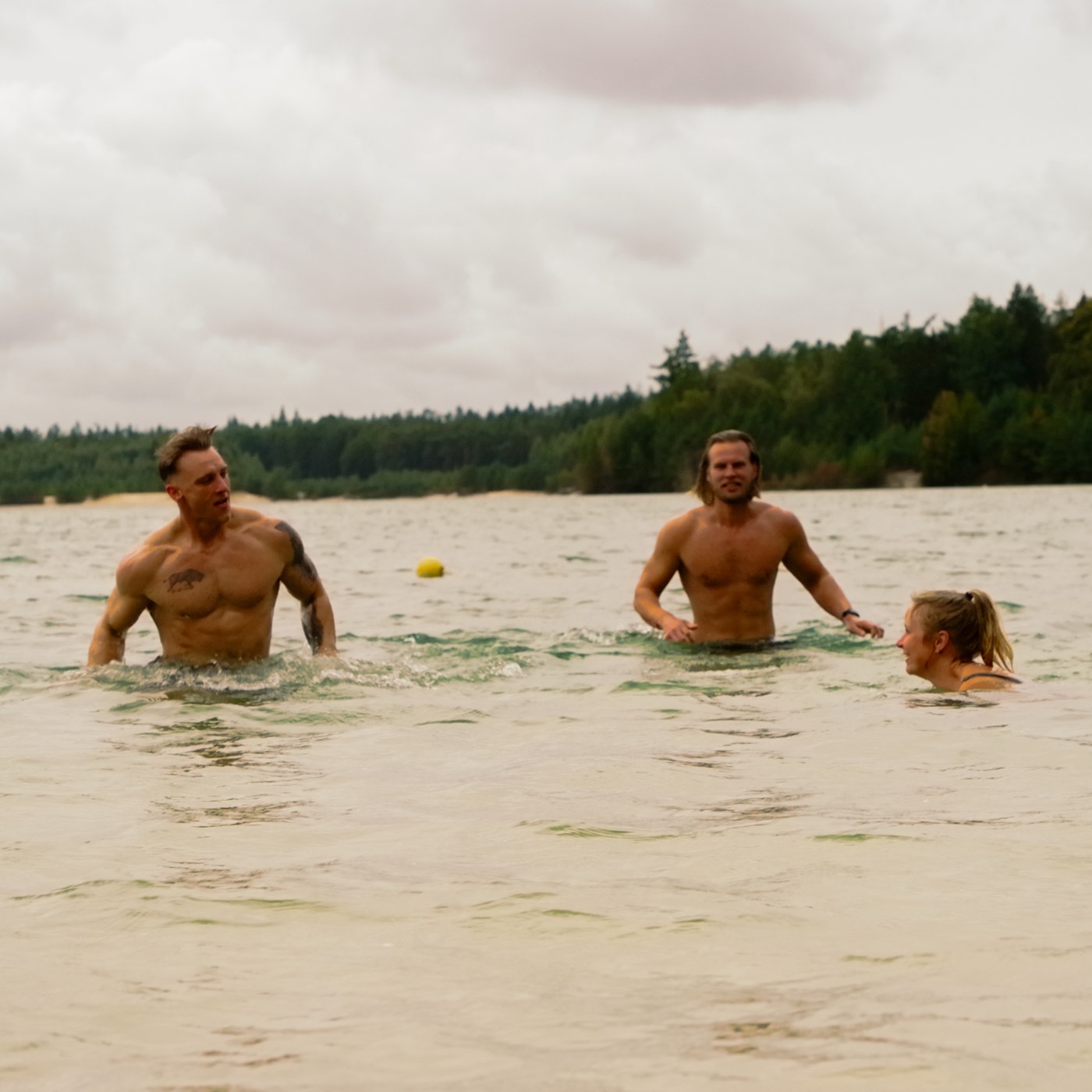
Cold water gives your heart and blood vessels a strong stimulus. For healthy people that is exactly the point, but the first seconds are also the risk: you gasp for breath automatically. That is why you walk into the water and do not jump in, and why you do not do it on your own.
As for the effects: that cold water makes you more alert and happier is well supported. For big promises about fat burning, the immune system and muscle recovery the evidence is much thinner. Do it because it is nice, not because a video says you should.
- Never alone, certainly not in open water
- Never jump or dive, because of the gasp reflex
- Breathe low and calm, and get out before you start shivering
- No alcohol, before or during
- With heart or blood vessel problems, high blood pressure, epilepsy or pregnancy, ask your doctor first
One more thing
Questions about the ice bath
You arrange the cold. We arrange the warmth.
Wood-fired, up to 100°C, set up in 5 minutes next to the water. Complete from €1,349, with 30 days to change your mind.